Introduction
In today’s fast-paced world, stress, anxiety, and depression have become significant mental health concerns, affecting millions of people globally. While there are various methods for managing these conditions, the role of alternative therapeutic approaches, such as yoga and meditation, is increasingly gaining attention. One such practice, Sudarshan Kriya, a form of yogic breathing, has shown considerable promise in helping individuals cope with stress, anxiety, and depression. The practice, which is deeply rooted in the tradition of yoga, has been the subject of multiple studies, including a significant scientific reference from the Journal of Alternative and Complementary Medicine by researchers Brown R. P. and Gerbarg P. L.
This blog post delves specifically into the scientific background of Sudarshan Kriya, its potential benefits, and the findings of Brown and Gerbarg’s research regarding its efficacy in the treatment of mental health conditions.
If you’re interested in other modalities that bring similar benefits such as the one I practice in my studio and for my clients please check out about my Tension and Trauma Release Exercises (TRE®): A Path to Healing and Resilience.
What is Sudarshan Kriya?
Sudarshan Kriya is a powerful breathing technique that combines specific patterns of controlled breathing with rhythm and concentration. The practice was developed by Sri Sri Ravi Shankar, the founder of the Art of Living Foundation, and is designed to synchronize the body, mind, and spirit. The word “Sudarshan” translates to “right vision” or “vision of the self,” and “Kriya” refers to “a process of purification.”
Sudarshan Kriya is typically taught through a series of stages that begin with basic breathing exercises, followed by more complex rhythmic breathing patterns. The key aspect of the practice involves three types of breathing:
- Ujjayi Breath: A slow, deep, and controlled breath that helps calm the mind.
- Bhastrika Breath: A rapid and forceful breath that increases energy and circulation.
- Sudarshan Kriya: The primary rhythm-based breath that connects the body’s internal rhythms and helps release stress.
These breathing techniques are designed to synchronize the body’s natural rhythms, enhance oxygen flow to the brain, and activate the parasympathetic nervous system (responsible for relaxation). Through these mechanisms, Sudarshan Kriya is believed to promote mental clarity, emotional stability, and overall well-being.
The Growing Interest in Sudarshan Kriya for Mental Health
Over the last few decades, Sudarshan Kriya has garnered significant interest from mental health professionals and researchers, particularly due to its promising effects on stress, anxiety, and depression. Traditional treatments for these conditions, such as psychotherapy and medication, often have limitations, including side effects and accessibility issues. In contrast, Sudarshan Kriya, being a non-invasive and self-administered practice, provides an alternative or complementary approach to managing these common mental health challenges.
Research in this area has expanded, with multiple studies supporting the therapeutic benefits of Sudarshan Kriya. One of the most influential studies is that by Dr. Richard P. Brown and Dr. Patricia L. Gerbarg, both of whom are experts in the field of integrative psychiatry. Their 2005 paper, titled “Sudarshan Kriya Yogic Breathing in the Treatment of Stress, Anxiety, and Depression,” published in the Journal of Alternative and Complementary Medicine, provides a comprehensive analysis of how Sudarshan Kriya can be effectively used to manage these mental health conditions.
The Role of Sudarshan Kriya in Stress Reduction
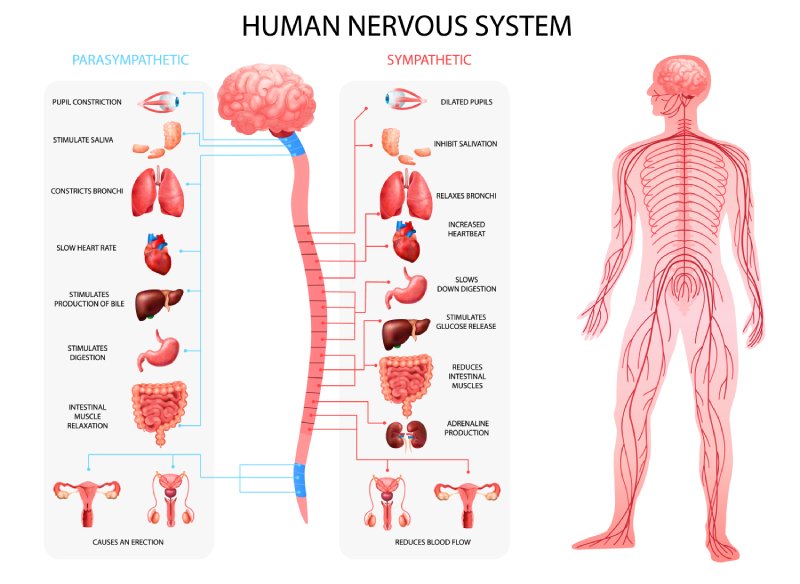
Stress is a pervasive issue that affects nearly every aspect of our lives. The physiological response to stress is controlled by the autonomic nervous system (ANS), which regulates involuntary bodily functions such as heart rate, blood pressure, and respiration. When an individual is stressed, the body enters a state of “fight or flight,” activating the sympathetic nervous system (SNS), which causes an increase in heart rate, shallow breathing, and muscle tension. Chronic stress can lead to a number of physical and mental health issues, including cardiovascular disease, anxiety, depression, and cognitive dysfunction.
Sudarshan Kriya helps manage stress by promoting balance within the ANS. The deep, rhythmic breathing involved in the practice activates the parasympathetic nervous system (PNS), which counters the effects of the SNS. This leads to a decrease in heart rate, muscle relaxation, and improved oxygenation of the brain. The relaxation induced by Sudarshan Kriya helps to reverse the harmful effects of chronic stress, promoting a state of calm and well-being.
The research by Brown and Gerbarg highlights that participants who practiced Sudarshan Kriya showed a significant reduction in perceived stress levels. In their study, they found that the practice of Sudarshan Kriya was associated with lower levels of cortisol, the primary stress hormone. Additionally, it helped reduce anxiety and improve sleep, further supporting its effectiveness as a stress-reduction tool.
Sudarshan Kriya for Anxiety and Depression
Anxiety and depression are two of the most common mental health disorders worldwide. Both conditions are often characterized by persistent negative thoughts, feelings of helplessness, and imbalanced neurotransmitter activity in the brain. Standard treatments for anxiety and depression typically involve medication, such as antidepressants or benzodiazepines, and/or psychotherapy. However, these treatments can be expensive, come with side effects, and may not work for everyone.
In contrast, Sudarshan Kriya offers a non-pharmacological treatment for anxiety and depression, with minimal side effects. According to Brown and Gerbarg’s study, Sudarshan Kriya has been shown to be effective in reducing symptoms of anxiety and depression in clinical populations. The study involved individuals diagnosed with major depressive disorder (MDD) and generalized anxiety disorder (GAD), and it found that regular practice of Sudarshan Kriya led to a significant reduction in symptoms.
Mechanisms of Action: How Sudarshan Kriya Works
The effectiveness of Sudarshan Kriya in treating stress, anxiety, and depression can be attributed to several physiological and psychological mechanisms:
- Regulation of the Nervous System: Sudarshan Kriya helps balance the autonomic nervous system, promoting relaxation and reducing the physiological symptoms of stress. By activating the parasympathetic nervous system, it reduces heart rate, lowers blood pressure, and induces a state of calm.
- Increased Oxygenation and Brain Function: The controlled breathing patterns involved in Sudarshan Kriya enhance oxygen intake, which in turn improves brain function. This increase in oxygen levels can help improve mood, cognitive function, and emotional regulation.
- Reduction of Cortisol Levels: Chronic stress leads to elevated cortisol levels, which can exacerbate anxiety and depression. Studies have shown that Sudarshan Kriya reduces cortisol production, helping to alleviate stress and its associated symptoms.
- Improved Neurotransmitter Balance: Sudarshan Kriya has been shown to positively affect the balance of neurotransmitters such as serotonin, dopamine, and GABA. These neurotransmitters are essential for regulating mood, and an imbalance can contribute to the onset of anxiety and depression. By improving neurotransmitter function, Sudarshan Kriya helps stabilize mood and emotional well-being.
- Enhanced Mindfulness and Self-awareness: The practice of Sudarshan Kriya involves focusing on the breath, which promotes mindfulness. This heightened sense of awareness can help individuals gain control over negative thought patterns, thereby reducing the mental chatter that often fuels anxiety and depression.
Scientific Evidence Supporting Sudarshan Kriya
The research conducted by Dr. Brown and Dr. Gerbarg is among the most cited and comprehensive studies on the therapeutic effects of Sudarshan Kriya. Their study reviewed several clinical trials that investigated the impact of Sudarshan Kriya on various mental health conditions. The results were overwhelmingly positive, showing significant improvements in mood, anxiety, and stress levels.
In one study included in their review, participants who practiced Sudarshan Kriya for just one week showed a significant reduction in symptoms of depression, with improvements in overall well-being lasting for months after the intervention. Another study demonstrated that the practice could help reduce anxiety in individuals with generalized anxiety disorder (GAD).
In addition to these clinical trials, other studies have found similar results. For instance, a study published in the Journal of Clinical Psychology found that Sudarshan Kriya led to improvements in quality of life, emotional regulation, and overall mental health in individuals with depression.
Conclusion
Sudarshan Kriya is a scientifically backed practice that has shown promising results in the treatment of stress, anxiety, and depression. The research conducted by Brown and Gerbarg, along with numerous other studies, underscores the effectiveness of this yogic breathing technique in promoting mental health and emotional well-being. By regulating the autonomic nervous system, improving oxygenation to the brain, and balancing neurotransmitter levels, Sudarshan Kriya helps reduce the physiological and psychological symptoms of stress, anxiety, and depression.
As interest in alternative and complementary treatments for mental health continues to grow, Sudarshan Kriya represents a powerful tool for individuals seeking relief from the burdens of modern life. While it may not replace traditional therapies for everyone, it offers a valuable, accessible, and side-effect-free approach to managing mental health. Whether practiced on its own or as a complement to other treatments, Sudarshan Kriya has the potential to make a significant difference in the lives of those struggling with stress, anxiety, and depression.
With love and gratitude,
Holly Celestine

Hi, I’m Holly Celestine and I am a Licensed Vibrational Sound Therapy Practitioner on a mission to liberate and activate your highest human potential. In pursuit of avenues that bring the entire body into balance and harmony, I found that sound, vibration and frequency play a vital role in the symbiotic connection to our mental, emotional, and physical well-being. In addition to being a Licensed Vibrational Sound Therapy Practitioner, I’m certified in Biofield Tuning, Voice Analysis, Massage Therapy, Usui Reiki Master, and Bodytalk.
I use vibrational sound therapy for targeted nervous system relaxation to help people feel relief from their debilitating stress, anxiety, and chronic pain. I’m a life-long learner, ever evolving and consciously expanding into my best self, tuning into wholeness and balanced vibrations! Connect with me to amplify your highest expression using Sound Therapy.
In my Universal Harmony studio, you can experience how the sound combination of the gong, singing bowl and chimes create harmonic resonance that enhances and revitalizes your energy. By focusing on each of the seven chakras, the experience helps you connect more deeply with yourself and to Source energy. I often play uplifting tunes as participants surround themselves in beautiful instruments. Whether you’re looking for a partner, a group or to enjoy life fully as a single, these sessions provides enhanced awareness that impacts body, mind and spirit.