Introduction
Have you ever stopped to think about what actually holds your body together? What keeps your muscles, organs, bones and other structures connected, allowing you to move, stretch, bend and experience life through your physical body?
The answer lies in something that often receives far less attention than it deserves: our fascia network.
Fascia is an extraordinary connective tissue system that runs throughout the entire body. It surrounds, supports and connects our muscles, organs, nerves, blood vessels and other structures, creating an interconnected web that helps our bodies maintain their shape and function.
But fascia is much more than simply the tissue that holds everything in place. It plays an important role in movement, communication within the body, sensory perception and our overall physical wellbeing. And when we begin looking at the relationship between our physical body, emotional experiences and spiritual development, fascia becomes an especially fascinating subject.
Could this interconnected network help us understand the relationship between body and mind in a completely different way? Let’s explore.
What Exactly Is Fascia?
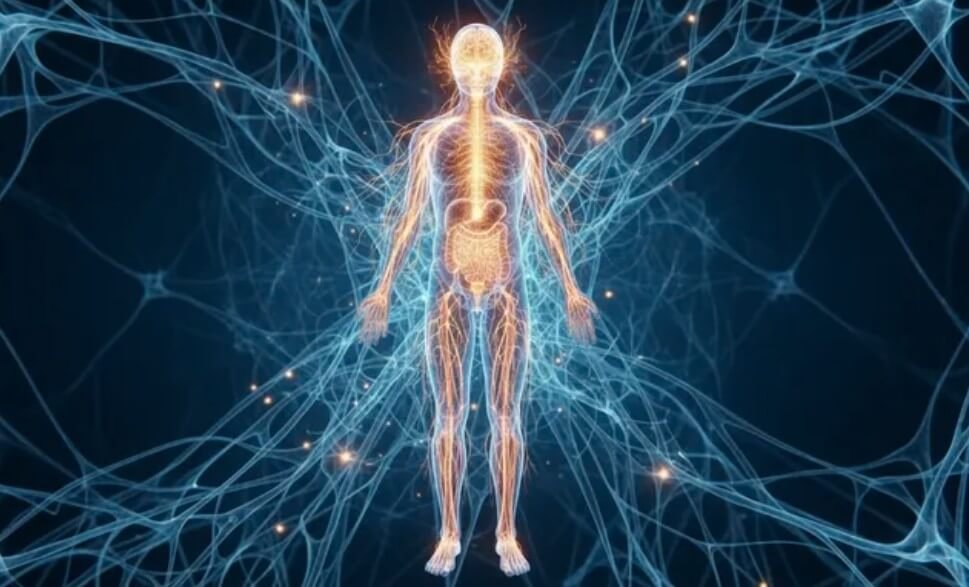
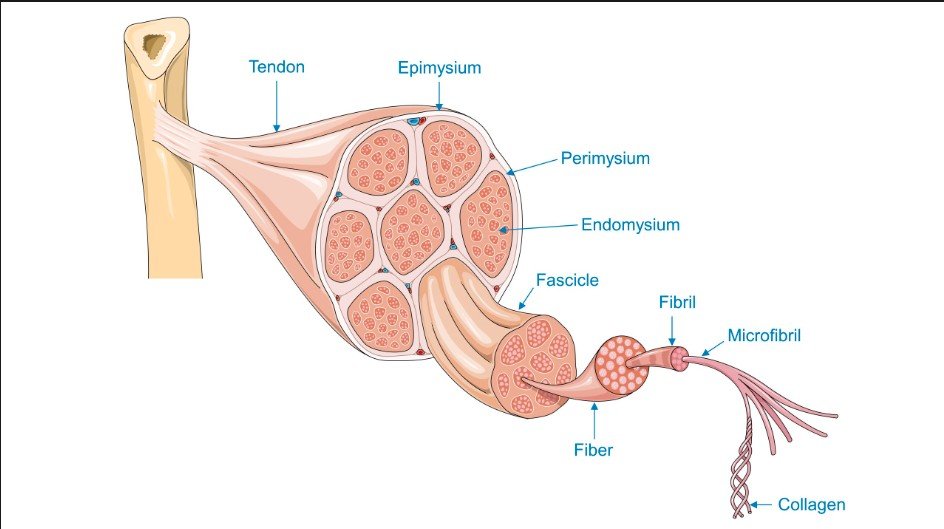
Fascia is a network of connective tissue made primarily from collagen, along with elastin, water and other components. It forms different layers and structures throughout the body. Some layers surround individual muscles and muscle groups, while others support organs, connect tissues and help separate different anatomical structures.
Think of fascia as an incredibly intricate three-dimensional web that runs throughout you.
Rather than viewing the body as a collection of separate parts, fascia encourages us to see it as one interconnected system. For example, when you move your shoulder, the surrounding connective tissues work together with muscles, tendons, ligaments and other structures. These tissues don’t operate independently; they form part of a much larger network.
Fascia helps maintain structural support, allows tissues to glide against one another and distributes mechanical forces throughout the body. In other words, it helps us stay connected, quite literally!
One particularly interesting aspect of fascia is its relationship with water. Healthy connective tissues contain substantial amounts of water, which contribute to their flexibility and ability to glide. This hydration is important because fascia needs to remain sufficiently flexible and adaptable to support comfortable movement.
Fascia: A Communication Network Throughout the Body
One of the most fascinating ways to understand fascia is to compare its interconnected structure to the mycelium network found beneath the ground. Mycelium consists of an intricate network of fungal threads that spread through soil, connecting different areas and facilitating the exchange of nutrients and chemical signals.
Although fascia and mycelium are biologically very different, the comparison offers a wonderful visual way to imagine how interconnected our bodies really are.
Fascia is richly supplied with sensory nerve endings and plays an important role in how we perceive movement, tension, pressure and the position of our bodies. It also interacts closely with the nervous system.
This means that our body is constantly receiving and processing information from different tissues. Movement, posture, touch and physical tension all contribute to the sensory information being communicated throughout the body.
From a spiritual perspective, we might see this interconnected network as a reminder that we are not simply separate physical components working independently. We are an integrated body-mind system.
This is where the subject becomes particularly interesting for anyone exploring the connection between physical wellbeing, emotional balance and spiritual awareness.
The Fascinating Relationship Between Fascia and Energy
There is another fascinating property of connective tissue worth exploring: its piezoelectric behavior.
Piezoelectricity describes the ability of certain materials to generate an electrical charge in response to mechanical pressure or deformation.
Collagen, which is one of the main structural proteins found in fascia, displays piezoelectric properties under particular conditions. This means that mechanical forces acting on collagen-rich tissues can be associated with electrical effects.
When we stretch, compress or move, we are placing mechanical forces on our connective tissues. This is one reason researchers are interested in the relationship between movement, collagen and the body’s electrical properties.
From a more esoteric perspective, this opens up some interesting questions:
If our bodies are constantly responding to mechanical, electrical and sensory information, could this help us better understand the relationship between our physical structure and our energetic experiences?
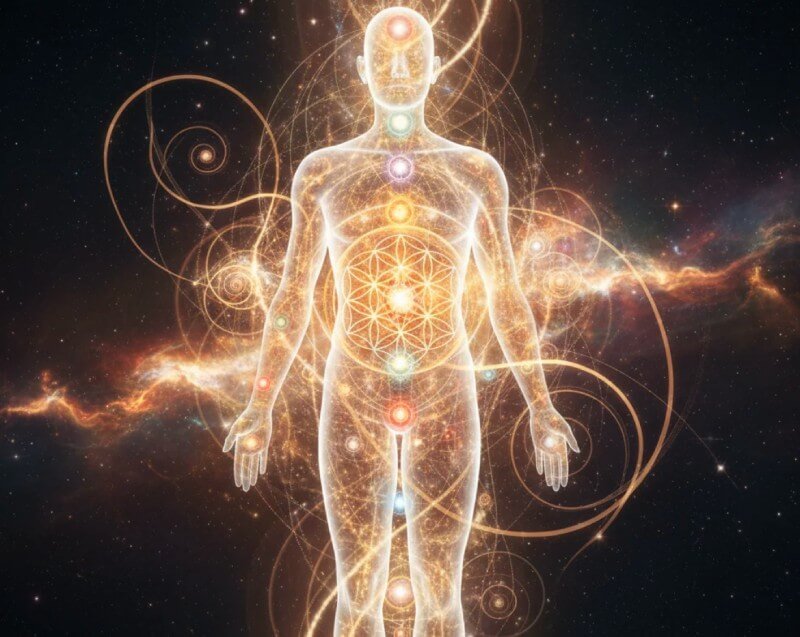
In spiritual circles, fascia is sometimes described as a crystalline matrix or an energetic communication network. These descriptions are metaphors rather than established scientific explanations, but they offer an interesting way to explore the idea that the physical body is not separate from our wider experience of consciousness.
Our physical wellbeing, emotional state and sense of vitality are deeply interconnected, even if we don’t always recognize the connections.
Can Fascia Hold Emotional Tension?

Have you ever noticed how your body responds when you’re stressed, anxious or emotionally overwhelmed? Perhaps your shoulders become tense, your jaw tightens, your breathing becomes shallow or you feel a knot in your stomach.
These physical responses demonstrate the close relationship between our emotional experiences, nervous system and muscular tension. Fascia is part of this picture.
It contains sensory receptors that respond to mechanical changes and interacts with the nervous system. Emotional stress can influence muscle tone, movement patterns and the way we hold tension in our bodies.
Over time, persistent stress and reduced movement may contribute to discomfort and changes in how we move. This helps explain why practices such as gentle stretching, massage, yoga, breathing exercises and mindful movement can sometimes feel so beneficial.
Many people also report experiencing emotional releases during bodywork or movement practices.
Although the idea that fascia literally stores specific emotional memories has not been scientifically established, the connection between emotional states and physical tension is very real and worth appreciating. Our bodies are constantly responding to what we experience.
Sometimes, looking after our physical body can be an important part of looking after our emotional wellbeing, too.
Fascia, Spiritual Awakening and Energetic Upgrades

For those going through a spiritual awakening, the relationship between the physical body and energetic experiences can be particularly interesting. During periods of personal transformation, many people describe experiencing changes in their emotions, energy levels, sleep patterns and overall perception of life.
Some spiritual traditions refer to these experiences as ascension symptoms or energetic upgrades. They may include fatigue, headaches, dizziness, emotional fluctuations, unusual sensations or difficulty sleeping.
From a spiritual perspective, these experiences are sometimes interpreted as part of an ongoing process of energetic adjustment and spiritual evolution.
The fascia network is an interesting subject to consider within this framework because of its extensive relationship with movement, sensation and the nervous system.
Could caring for our physical tissues help us feel more grounded and supported during periods of personal transformation? Absolutely, in the sense that physical wellbeing can influence how we feel and cope with everyday challenges.
However, it is important not to assume that symptoms such as dizziness, headaches, ringing in the ears or extreme fatigue are necessarily signs of spiritual upgrades or fascia restrictions. These symptoms can have many different causes and deserve appropriate medical attention when persistent or concerning.
Perhaps one of the most valuable lessons here is that spiritual development doesn’t have to mean ignoring the physical body. Our bodies deserve just as much attention, patience and care as our inner worlds.
How Physical Restrictions Can Affect the Way We Feel
Our fascia is designed to be adaptable, allowing different tissues to move and glide in relation to one another.
However, injuries, surgery, inflammation, prolonged immobility and repetitive movement patterns can affect connective tissues and their surrounding structures.
For example, someone who spends many hours sitting at a desk may gradually develop stiffness around their hips, shoulders and upper back.
Similarly, an old injury may influence how someone moves, causing other muscles and joints to compensate. These adaptations can affect posture, mobility and physical comfort.
And because our physical and emotional states influence one another, persistent discomfort can also affect our mood, motivation and general outlook.
This is why it is helpful to move beyond the idea that everything we experience is either purely physical or purely psychological. The body and mind are constantly interacting.
Understanding this relationship encourages us to take a more holistic approach to wellbeing, one that includes movement, rest, hydration, emotional health and awareness of our physical needs.
Four Ways to Support Your Fascia Network
The good news is that there are some simple ways to support healthy connective tissue and encourage better movement throughout the body.
Here are four practical areas worth considering:

1. Gentle Dry Brushing and Body Stimulation
Dry brushing is a popular self-care practice that involves gently brushing the skin with a natural-bristle brush. Some people enjoy using copper brushes as part of their skincare and body-care routines.
Dry brushing can exfoliate the outer layer of skin and provide a gentle sensory stimulus. If you enjoy dry brushing, keep the pressure gentle and avoid irritated, broken or sensitive skin.
Think of it as an opportunity to reconnect with your body through mindful touch rather than as a treatment for deep connective tissue restrictions.
2. Give Your Body the Hydration It Needs
Water is essential for the health of every tissue in the body, including fascia. Connective tissues contain water, and maintaining adequate hydration helps support their normal structure and function.
Rather than becoming overwhelmed by competing claims about different types of water, focus on drinking enough clean, safe water throughout the day.
Your hydration needs will depend on factors such as activity levels, climate and individual health.
You can also obtain water through foods such as fresh fruit and vegetables. The important thing is to give your body the resources it needs to function well.
3. Be Mindful of Your Light Environment

Light has a significant influence on our circadian rhythm, the internal biological clock that helps regulate sleep and wakefulness. Our bodies are naturally designed to respond to changing light conditions throughout the day.
Getting natural daylight during the morning and reducing exposure to bright artificial light in the evening can help support a healthy sleep-wake cycle.
You might consider using warmer, softer lighting in the evening, particularly in spaces where you relax before bedtime.
Amber-colored lighting can create a calming atmosphere and reduce exposure to some wavelengths of blue light.
While these habits are not proven ways of directly repairing fascia, supporting your sleep and nervous system is an important part of overall physical wellbeing.
4. Move, Stretch and Dance!

If there is one thing your connective tissues appreciate, it is movement. Fascia works together with your muscles, tendons and joints every time you move.
Gentle stretching, walking, dancing, yoga and mobility exercises can all help maintain flexibility and comfortable movement.
Pay particular attention to areas that tend to become stiff through everyday habits, such as the hips, shoulders, neck and upper back. You don’t need an elaborate exercise routine to get started.
Even taking regular movement breaks throughout the day can make a difference to how your body feels. Try moving intuitively, exploring different directions and allowing your body to experience a variety of comfortable movements.
The goal isn’t to force your body into extreme stretches. It is to develop a more positive relationship with movement and gradually improve your mobility.
Embracing the Body as Part of Our Spiritual Journey
Perhaps the most important message to take away from exploring the fascia network is that our physical bodies deserve to be included in our personal and spiritual development.
It is easy to become so focused on meditation, consciousness, energetic practices and inner transformation that we forget about the physical vessel through which we experience everything.
Yet our bodies are constantly communicating with us. The way we move, breathe, rest and respond to stress all contribute to our overall experience of life.
Fascia is one fascinating part of this extraordinary system, reminding us that our bodies are far more interconnected than we might initially imagine.
Rather than viewing physical health and spiritual growth as two separate journeys, we can begin to see them as complementary aspects of the same experience.
Taking care of our bodies doesn’t have to be complicated. Sometimes it begins with drinking enough water, going for a walk, stretching our shoulders, getting outside into natural light or simply taking a few moments to breathe.
Small, consistent acts of care can have a meaningful impact on our wellbeing.
And perhaps that is where the real transformation begins: by learning to listen to our bodies, understanding their needs and giving them the attention they deserve.
Our body is not something separate from our journey. It is an essential part of it. If you need any type of deeper physical, mental or spiritual assistance on this matter, you can consult with me on the best modality from our vast array of specialties most suited for you or check my services page.
With love and gratitude,
Holly Celestine

Hi, I’m Holly Celestine and I am a Licensed Vibrational Sound Therapy Practitioner on a mission to liberate and activate your highest human potential. In pursuit of avenues that bring the entire body into balance and harmony, I found that sound, vibration and frequency play a vital role in the symbiotic connection to our mental, emotional, and physical well-being. In addition to being a Licensed Vibrational Sound Therapy Practitioner, I’m certified in Biofield Tuning, Voice Analysis, Massage Therapy, Usui Reiki Master, and Bodytalk.
I use vibrational sound therapy for targeted nervous system relaxation to help people feel relief from their debilitating stress, anxiety, and chronic pain. I’m a life-long learner, ever evolving and consciously expanding into my best self, tuning into wholeness and balanced vibrations! Connect with me to amplify your highest expression using Sound Therapy.
In my Universal Harmony studio, you can experience how the sound combination of the gong, singing bowl and chimes create harmonic resonance that enhances and revitalizes your energy. By focusing on each of the seven chakras, the experience helps you connect more deeply with yourself and to Source energy. I often play uplifting tunes as participants surround themselves in beautiful instruments. Whether you’re looking for a partner, a group or to enjoy life fully as a single, these sessions provides enhanced awareness that impacts body, mind and spirit.