Introduction
Most self-improvement advice makes things worse. You’re told to exercise more, start a journal, or try meditation. You try. But these habits often slide off your life like water off glass. Even in midlife, the pressure to “fix” ourselves often adds to the stress instead of removing it.
Midlife is a heavy season. You start asking who you’ve become and if this is who you want to be. These questions hit while you’re dealing with shifting hormones, bad sleep, and the weight of chronic stress. This cumulative stress is what researchers call allostatic load.
You cannot think clearly about your values when your nervous system thinks you’re in danger. When you’re stuck in “threat mode,” honest self-examination is nearly impossible. This is why a daily walk is more than a fitness goal. It is a tool for self-integrity.
How Walking Interrupts Your Stress Cycle
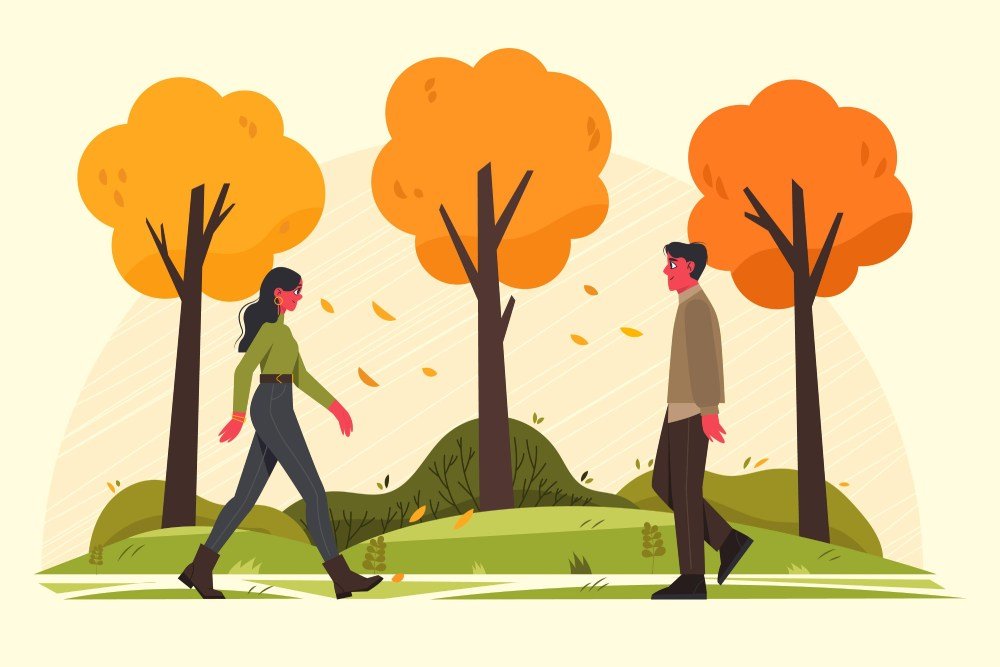
Walking sends a signal to your brain that you are safe. The steady, rhythmic motion of your feet activates the parasympathetic nervous system. This is the branch of your nervous system responsible for rest and repair.
Several physical inputs create this safety signal: the predictable left-to-right movement of your legs, the consistent rhythm of your footfalls, the changing visual field as you move through space.
For people managing careers, aging parents, and changing relationships, this signal is vital. Many struggles look like indecision or brain fog. Often, it’s just a nervous system that hasn’t had an off switch in years. Walking provides that switch. It moves you out of threat mode and creates the mental space needed for clarity.
Rebuilding Your Brain for Resilience
Walking does more than calm you down. It changes the physical structure of your brain. One key area is the hippocampus, which handles memory, learning, and emotional regulation.
Research shows that regular aerobic walking can increase the volume of the hippocampus. It doesn’t just slow the decline; it builds the area back up. This means you gain a better capacity to hold complex emotions without feeling flooded. It’s a structural change, not just a mood boost.
Walking also stimulates a protein called BDNF (Brain-Derived Neurotrophic Factor). You can think of this as fertilizer for your brain cells. It helps create new neural connections. This is crucial when you’re trying to revise old stories about yourself or imagine new ways to live.
Cognitive function and creativity also get a boost. A Stanford study found that walking increases creative output by about 60% compared to sitting. Walking activates the brain’s default mode network. This system helps you make connections between things you already know.
Cultivating Mental Spaciousness Through Movement
When we sit under pressure, our thinking gets narrow. We solve problems using the same old grooves. Walking opens those grooves. It creates a low-pressure environment where the mind can surface truths it ignores during a busy workday.
Our culture prizes analysis and frameworks. We think we can find our “true self” through a spreadsheet or a self-help book. But deeper clarity often comes through the body first.
Carl Jung talked about the process of individuation. This is the act of becoming who you actually are rather than who you were expected to be. This process happens in the second half of life. It requires a soft, receptive kind of attention.
Walking allows this because it removes you from screens and notifications, slows your pulse, occupies your mind just enough that your thoughts can breathe.
This is where the truth surfaces. You might realize you’re tolerating a situation you can no longer handle. You might admit to a desire you’ve dismissed as impractical. For many, walking is the only time they feel like themselves, separate from their role as a boss, parent, or partner.
The Unstructured Walk: Your Pathway to Integrity
Many high-functioning people fill every second of their day with productivity. They schedule their workouts and their “me time.” They leave no room for unstructured time. Often, they avoid the quiet because the waiting questions get too loud.
However, the missing piece in midlife isn’t more information. It’s availability. You need to be available to yourself long enough to hear what you already know. Walking doesn’t solve your problems, but it makes you available to the answers.
Consistency is the key here. Occasional walks are nice, but regular walks change the brain. Your body needs repetition to recognize a signal. If you walk every day, your body learns that this is the time for honesty and safety.
This is a metaphor for integrity work. You don’t sprint to clarity. You show up for yourself with gentleness and regularity. You move at a sustainable pace.
Final Thoughts
Walking is a simple act that provides massive biological and psychological returns. It settles the nervous system, grows the brain, and opens the mind. By stepping away from the desk and the screen, you stop trying to think your way into alignment and start moving your way there.
To get the most out of this practice, remember these points:
- Use walking to interrupt the stress cycle and signal safety.
- Trust the biological boost to your hippocampus and BDNF levels.
- Value the mental spaciousness that leads to creative breakthroughs.
- Use the quiet to access your true self beyond your social roles.
- Prioritize consistency over intensity.
Stop asking if you’re walking “enough” for your health. Instead, ask when you give yourself unstructured time to be with your own mind. If the answer is “never,” start today. Put on your shoes, leave the phone behind, and just walk.
With love and gratitude,
Holly Celestine

Hi, I’m Holly Celestine and I am a Licensed Vibrational Sound Therapy Practitioner on a mission to liberate and activate your highest human potential. In pursuit of avenues that bring the entire body into balance and harmony, I found that sound, vibration and frequency play a vital role in the symbiotic connection to our mental, emotional, and physical well-being. In addition to being a Licensed Vibrational Sound Therapy Practitioner, I’m certified in Biofield Tuning, Voice Analysis, Massage Therapy, Usui Reiki Master, and Bodytalk.
I use vibrational sound therapy for targeted nervous system relaxation to help people feel relief from their debilitating stress, anxiety, and chronic pain. I’m a life-long learner, ever evolving and consciously expanding into my best self, tuning into wholeness and balanced vibrations! Connect with me to amplify your highest expression using Sound Therapy.
In my Universal Harmony studio, you can experience how the sound combination of the gong, singing bowl and chimes create harmonic resonance that enhances and revitalizes your energy. By focusing on each of the seven chakras, the experience helps you connect more deeply with yourself and to Source energy. I often play uplifting tunes as participants surround themselves in beautiful instruments. Whether you’re looking for a partner, a group or to enjoy life fully as a single, these sessions provides enhanced awareness that impacts body, mind and spirit.